
Running out of storage space in your warehouse? You’re not alone. We speak with Dallas business owners every week who face the same problem: inventory is growing, but floor space isn’t.
There’s a solution that doesn’t involve moving to a bigger (and more expensive) facility. The right pallet racking system can literally double or triple your storage capacity using the same footprint you have now.
But here’s the catch: not all pallet racking is created equal, and what works for one business might be completely wrong for another. We’ve been helping Dallas companies solve their storage problems for over 20 years, and we’ve seen every mistake in the book.
So whether you’re looking to add a few sections or complete a complete overhaul for your warehouse, this guide will walk you through everything you need to know to make the right choice for your business.
Why Dallas Warehouses Are Different
Every Dallas warehouse has unique challenges. We’ve got extreme heat in summer that can affect some materials, occasional ice storms that test the structural integrity of homes, and building codes that vary from city to city.
Additionally, real estate costs continue to rise, making it essential to maximize your existing space, not just smart, for staying competitive.
Need help figuring out what’s right for your space? Get a free assessment →
The Main Types of Pallet Racking (And When to Use Each)
Selective Racking – The Workhorse
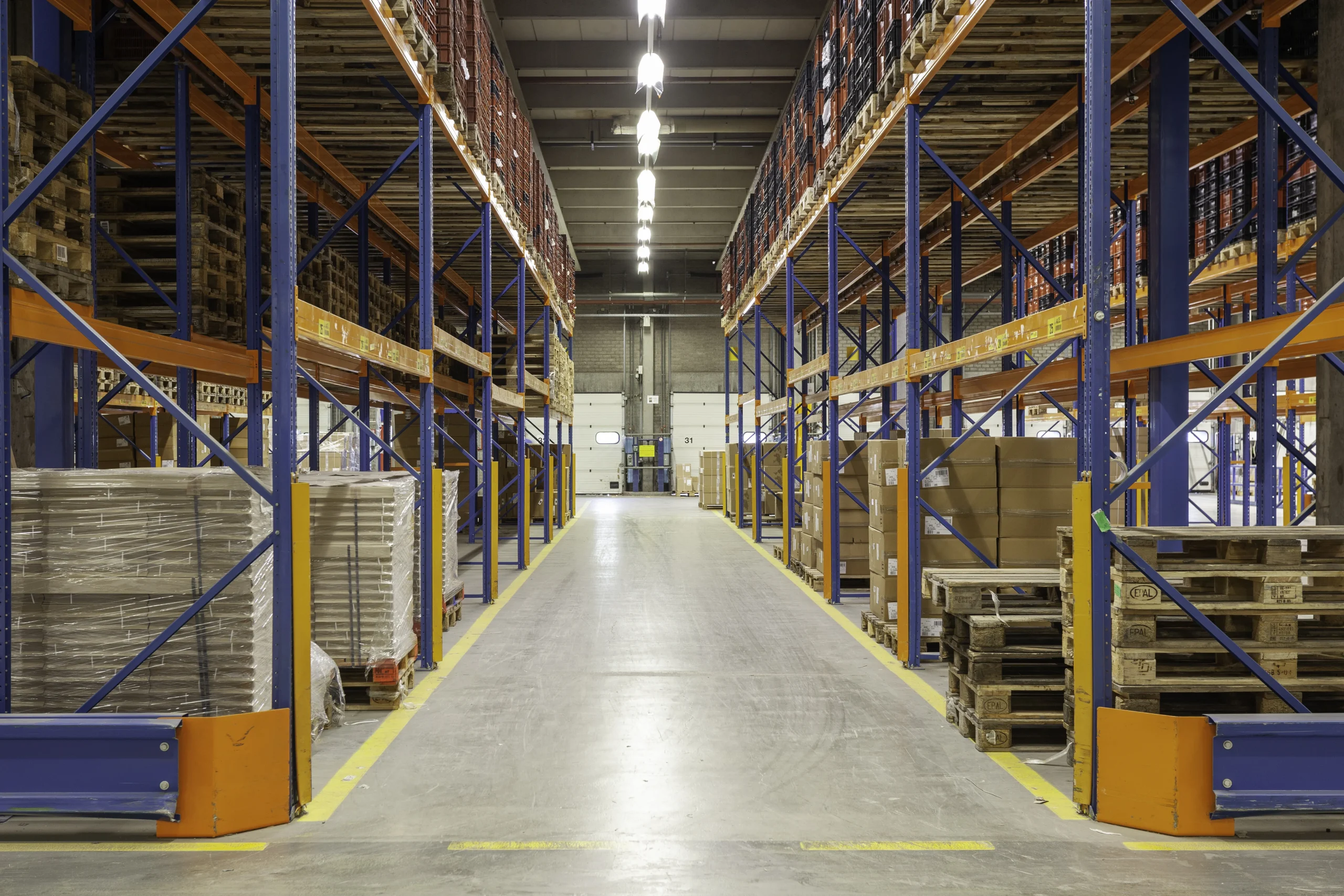
This is what most people picture when they think “pallet racking.” Every pallet is accessible from the aisle, which makes it perfect if you’ve got a lot of different inventory or if you need to pick individual pallets regularly.
We sell more selective racking than anything else because it’s affordable and versatile. A manufacturing client in Plano just added 400 pallet positions of selective racking and increased their storage by almost 60% without expanding their building.
Drive-In Racking – Maximum Density
If you’ve got a lot of the same products and don’t need to access every pallet individually, drive-in racking can be a game-changer. Your forklift literally drives into the rack structure to place and retrieve pallets.
A food distributor in Irving switched to drive-in racking and went from storing 800 pallets to 1,400 pallets in the same space. The trade-off? Less selectivity, but for their operation, it was perfect.
Push Back Systems – The Best of Both Worlds
Push back racking system stores pallets 2-6 deep, but still gives you decent access. When you remove the front pallet, the ones behind it automatically roll forward.
We installed a push-back system for an auto parts distributor last month. They needed density, but also needed to rotate stock. Push back gave them 40% more storage than selective racking while maintaining good inventory control.
Cantilever Racking – For the Weird Stuff
Cantilever racking is great for lumber, steel bars, furniture, or anything long and awkward. Cantilever racking has arms that extend out to support long items.
A lumber yard in Garland was stacking lumber on the ground and losing tons of space. We put in cantilever racking, and they tripled their capacity while making everything way more organized.
New vs Used Pallet Racking

Here’s something most companies won’t tell you straight up: Used pallet racking is usually the smart choice.
I know what you’re thinking. “Used” sounds a bit sketchy. But good pallet racking is built to last decades. We have systems we installed 15 years ago that still look almost new.
Why Most of Our Clients Choose Used
- It costs about half what it costs new. We’re talking 40-60% savings, which can make or break a project budget.
- It’s available immediately. New racking can take 12-16 weeks to manufacture. Used pallet racking can be delivered in a week or so.
- Quality is excellent. We thoroughly inspect everything, and we don’t sell anything that doesn’t meet our standards.
When New Makes Sense
- You need a very specific configuration that’s not available in used
- You want the latest features (though honestly, racking hasn’t changed that much)
- Your company policy requires new equipment
- You’re building a showplace facility where the looks matter
What Will This Actually Cost You?
Pricing depends on a lot of factors, but here’s what we typically see in the Dallas market:
Real Market Pricing (Based on Current Data)
- Used Selective Racking: $45-75 per pallet position
- New Selective Racking: $85-200 per pallet position
- Drive-In Systems: $200-500 per pallet position
- Push Back Systems: $200-400 per pallet position
- Installation Labor: Add 15-35% to equipment costs
Now, before you start budgeting and calculating, remember that every project is different. A simple installation in a clear warehouse costs way less than working around existing equipment or dealing with tight spaces.
Important note: Installation isn’t included in these per-position prices above. Professional warehouse racking installation typically adds another 15-35% to your material handling equipment costs, but it’s money well spent for safety and compliance.
What’s Driving These Prices Up
The pallet racking market has gotten very expensive lately. Steel prices shot up 170% recently, and since steel makes up 60-70% of racking costs, that hits everyone’s budget hard. Add in tariffs and supply chain issues, and you’re looking at prices that would have seemed ridiculous just a few years ago.
Hidden Costs That Catch People Off Guard
Here’s what most companies don’t budget for (but should):
- Permits and engineering: Can add 10-30% to your overall project cost
- Seismic compliance: If you’re in certain zones, add another 20-40%
- Safety accessories: Wire decking ($15-21 per position), column guards ($20-30 each)
- Floor prep: Sometimes, concrete needs work before installation
Plan for an extra 35-65% on top of your material handling equipment costs. I know that sounds like a lot, but it’s better to know upfront than get surprised.
What Affects Your Final Price
- How tall are you going (taller = more expensive per position, but better value per square foot)
- Your building’s quirks (columns, utilities, weird dimensions)
- How much you’re buying (bigger projects get better pricing)
- Installation complexity (working around operations costs more)
- Material type (structural steel costs 20-30% more than roll-formed, but lasts 5-10 years longer)
The only way to get real pricing is to have someone look at your space. We do free assessments because, honestly, it’s the only way to give you accurate numbers.
Safety Stuff You Can’t Ignore
Look, I’m not going to bore you with a bunch of OSHA codes, but there are some safety basics you absolutely need to know.
Your racking needs to be properly anchored. We see DIY installations where someone just sets the uprights on the floor and calls it good. That’s not just dangerous – it’s a lawsuit waiting to happen.
You need proper load ratings and signage. Every beam needs to be rated for the weight you’re putting on it, and workers need to know what those limits are.
Professional warehouse racking installation matters. Yes, it costs more upfront, but it ensures everything is done right and you’re protected if something goes wrong.
How to Choose the Right Company?
We’re obviously going to recommend ourselves, but even if you go with someone else, here’s what you should look for:
Must-Haves
- Local presence. When you need service, you want someone who can quickly reach your facility.
- Actual warehouse experience. Ask about their biggest projects and what industries they serve.
- Good inventory. If they don’t stock much, you’ll wait longer and pay more.
- Professional installation crews. Not just guys with pickup trucks.
Red Flags
- Prices that seem too good to be true. There’s always a catch.
- High-pressure sales tactics. Good companies don’t pressure you.
- No local references. Ask to talk to recent customers.
- Vague timelines. Professional companies can give you realistic schedules.
Planning Your Project
Start With Your Real Needs
Don’t just count how many pallets you have now. Think about:
- Where you’ll be in 2-3 years
- Seasonal fluctuations
- Whether your product mix might change
- Peak storage periods
We had a client who planned for current needs and outgrew the system in 18 months. Don’t make that mistake.
Measure Twice, Buy Once
- Clear height: How tall can you actually go? (Don’t forget sprinklers, HVAC, lights)
- Column spacing: Work with your building, not against it
- Aisle widths: Match your forklifts and material handling equipment
- Future expansion: Leave room to grow
What to Expect During Installation
A typical project goes like this:
Week 1-2: Site assessment, design, and pricing
Week 3-4:Permits and engineering (if required)
Week 5: Equipment delivery and staging
Week 6: Installation (usually 2-5 days depending on size)
Minimizing Disruption
You can’t shut down your business or operations for a week. That’s why we offer:
- Phased installations to keep part of your warehouse running
- Weekend and evening work (costs extra, but sometimes necessary)
- Temporary storage solutions, if needed
Most of our installations cause minimal disruption because they are planned properly.
After the Installation
Inspection and Training
Once everything’s installed, we do a complete safety inspection and provide training for your team on proper use and basic maintenance of the racking system.
Ongoing Maintenance
Warehouse Pallet racking has pretty low maintenance. Forklifts hit uprights, beams get damaged, and warehouse rack systems need occasional adjustments and repairs.
We recommend annual professional inspections and can handle any repairs or modifications you need.
Ready to Get Started?
If you’ve made it this far, you’re serious about solving your warehouse storage problem.
We’ve been doing this for many years, and we’ve worked with everyone from small local businesses to Fortune 500 companies. Every project is unique and different, but our approach is the same; we understand your needs, recommend the right solution, and install it properly.
Next Steps
The best way to start is with a free warehouse assessment. We’ll look at your space, understand your operation, and give you honest recommendations about what will work best.
Ready to see what’s possible?
- Call us: (214)-429-4445
- Email:info@dallaspalletracking.com
- Schedule online:Book your free assessment →
Free Warehouse Assessment!!
Frequently Asked Questions
Q: What are the pallet racking parts names?
A: The main components of pallet racking systems include uprights (vertical frames), beams (horizontal load-bearing elements), wire decking, row spacers, and safety accessories like beam locks and column protectors. Understanding these component names is essential when purchasing or expanding your pallet racking system.
Q: What are the warehouse racking specifications?
A: Warehouse racking specifications vary based on load requirements, ceiling height, and storage needs. Standard specifications include beam lengths, upright heights, load capacities, and safety certifications. These specifications determine the overall performance and safety of your storage system.
Q: What are the old-style pallet racking systems?
A: Older pallet racking systems often featured different connection methods and structural designs compared to modern systems. Understanding compatibility between old and new systems is crucial when expanding existing installations or replacing damaged components.